Things to Do in Mecca
Where the Kaaba's shadow falls, hearts find their direction
Top Things to Do in Mecca
Find activities and tours you'll actually want to do. Book through our partners -- no booking fees.


Plan Your Trip
Essential guides for timing and budgeting
Climate Guide
Best times to visit based on weather and events
View guide →Day Trips
The best excursions and nearby destinations worth the journey
Explore day trips →Where to Stay
Best neighbourhoods, hotel picks, and booking tips
Find hotels →Travel Insurance
What's required, what coverage matters, and how to get a quote
Read guide →What to Pack
Climate-specific gear, essentials, and what to leave at home
See packing list →When Should You Visit Mecca?
Tap a month for weather, crowds, and highlights
View full year-round climate guide →Explore Mecca

Your Guide to Mecca
About Mecca
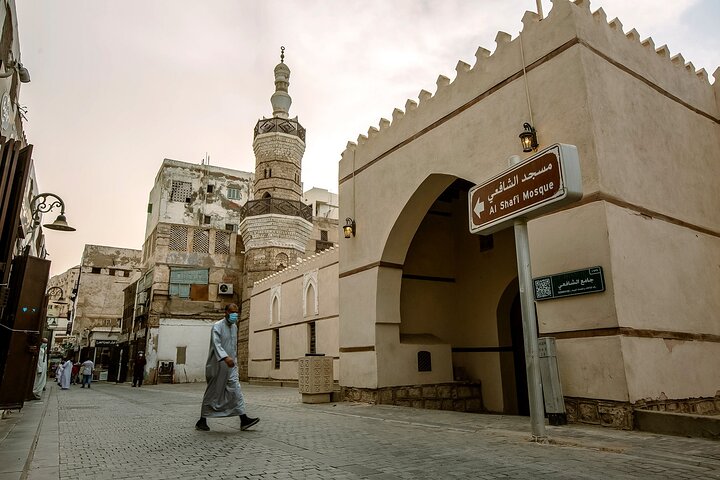
Sound slaps you first. Millions of sandaled feet whisper across white marble at Masjid al-Haram. Quranic murmurs rise from the stones themselves. Mecca never eases you in. It lands at once, a city orbiting one black cube for fourteen centuries. The Grand Mosque owns the skyline. Nine minarets stab upward above the Kaaba.
Pilgrims spin below in tawaf like a human whirlpool. Beyond the walls, the city spills across Misfalah valley like prayer beads across a rug. Al-Shamiya alleys still reek of cardamom and oud. Tiny kitchens dish haneeth lamb at budget-friendly prices, wrapped in malawah bread that flakes like phyllo. Abraj Al-Bait towers throw long shadows over old souqs.
Prayer beads carved from Mecca's own mountains sell at local market rates. Smartphones sit beside them. Bargaining erupts in Arabic, Urdu, Indonesian. The heat is more than mercury. It carries spiritual weight. Summer slams 45°C (113°F). Humidity glues your ihram like wet paper. Between prayers, the city drains, then floods back at the adhan.
Exhausting. Exhilarating. Sacred and mundane overlap until buying Zamzam water feels like ritual.
Travel Tips
Transportation: Haramain High-Speed Railway from Jeddah clocks 43 minutes flat. Second-class seats sit at mid-range prices. Upgrade to VIP for family-friendly seating plus luggage space. Inside Mecca, SAPTCO buses roll every 15 minutes from hotels to the mosque for pocket change. Real insider trick? Walk the pedestrian tunnels during prayer times. Crowds help. Moving walkways glide faster when packed. Taxis from the Haram charge reasonable fares for a 10-minute hop. Quote triple if you look fresh off the plane.
Money: Saudi riyals (SAR) rule everywhere. Most hotel shops and restaurants near the Haram now swipe Apple Pay and contactless cards. Best exchange rates lurk at Al Rajhi ATMs inside King Abdulaziz Complex. Skip airport kiosks. They bite big percentages. Carry small bills for street vendors. They hate breaking larger notes. Holy sites cost nothing. Budget mid-range daily cash for meals and transport if you lodge in comfortable hotels. Pro tip: stash receipts. Many Mecca purchases snag tax refunds at Jeddah airport.
Cultural Respect: Non-Muslims cannot enter Mecca. Full stop. Checkpoints scan passport stamps. Inside the mosque, floor tiles mark prayer zones. Do not sit cross-legged on prayer rugs during prayer times unless you join. Women cover everything except face and hands with loose cloth. Men need shoulders and ankles covered. Photos allowed everywhere except directly at the Kaaba during tawaf. Crowds make it unsafe anyway. Accept Arabic coffee with your right hand. Drink three small cups. Refusing the third is polite.
Food Safety: Street food near the mosque rocks. Shawarma from Al Baik. Kabsa from small joints around Al-Ghaza. All safe. Municipality posts daily health scores via QR codes on windows. Queue where locals line up. Lamb haneeth at Restaurant Al Taj on Ibrahim Al Khalil Street serves hundreds per hour. Nothing lingers. Zamzam dispensers filter and test tap water nonstop. Bring your own bottle. Refill free. Central Date Market dates range from budget-friendly to mid-range per kilo. Each box carries certificates. Skip pre-packed tourist boxes. They cost far more.
When to Visit
Mecca weather runs hot, hotter, intolerable. November through February is your slot. Temperatures rest between 24-30°C (75-86°F). Almost no rain. Five daily prayers stay walkable between hotels and mosque. March and October creep to 35°C (95°F). Still doable with mosque AC. April and September hit 40°C (104°F). Outdoor misters and water breaks save you.
May through August punish at 45-48°C (113-118°F). Humidity feels like breathing through a wet towel. Hotels slash prices. You stay indoors. Ramadan shifts yearly. When summer, the city flips to night life. Iftar tents hand out free meals. Hajj season floods millions. Hotel rates rocket. Book a year ahead for Dhu al-Hijjah.
Winter pulls Umrah pilgrims from Indonesia and Malaysia. December prices rise a notch. Still miles below Hajj. Budget travelers target late October or early November. Flights from Dubai drop to budget-friendly. Three-star hotels near the mosque cost a fraction of peak.
More Ways to Experience Mecca
Tours, day trips, and local experiences curated by on-the-ground operators.
Didn't see anything interesting yet?
Browse Viator's full catalog of tours, day trips, food experiences, and private guides in Mecca.
See All Mecca Tours on Viator